
- Description
- Curriculum
- FAQ
- Reviews
200-Hour YAECP® Yoga & SEL Teacher Training — Self-Paced TNP Wellness | #spreadthecalm
The Same Transformative Training. At Your Own Pace.
Our self-paced option gives you full access to the entire 200-hour YAECP® program — all recorded content, all modules, all curriculum — with the flexibility to move through it on your own schedule, from anywhere in the world.
The only difference between this and our Live & Async option is access to the live virtual sessions with our trainers. Everything else is identical.
Since 2019, TNP Wellness has led the integration of yoga and SEL in schools, businesses, and communities nationwide. Our evidence-based approach combines somatic experiencing, yoga asana, mindfulness, social-emotional learning, and Dialectical Behavior Therapy (DBT) to support mental and physical health across populations.
What You’ll Learn
You’ll be equipped to lead in schools, corporate environments, and community settings.
- Lead adult vinyasa and restorative yoga classes
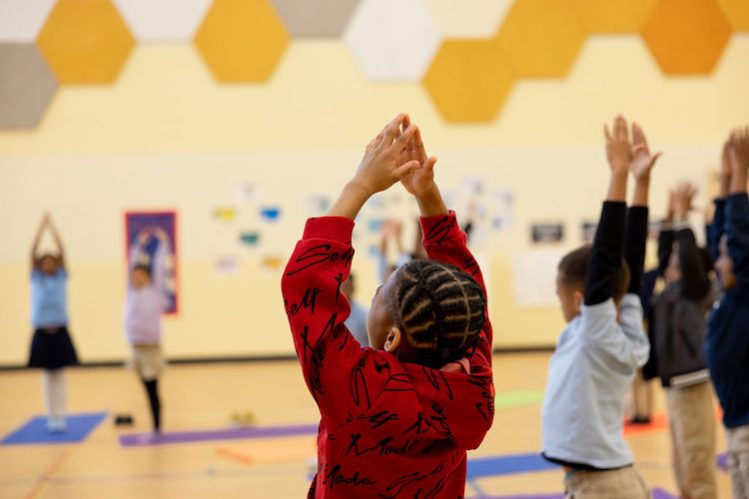
- Teach engaging, trauma-informed children’s yoga — with games, songs, and age-appropriate adjustments
- Facilitate corporate and community wellness sessions
- Apply polyvagal theory and somatic interventions to support regulation
- Support K-12 youth through Tier I, Tier II, and Tier III interventions
- Build a sustainable career as a wellness facilitator
How It Works
There is no set order to complete the program. Work through all modules at your own pace and submit your teaching practicum when you’re ready. Completion and submission of all required materials is required to graduate.
Self-Paced Online Training | $799
Join from anywhere. Start anytime. #spreadthecalm

-
2
 Welcome to Module 1
 -
3
Introduction to Yoga
What is yoga?
-
4
Timeline
-
5
The Vedas
-
6
The Many Paths of Yoga
-
7
Box Breath
-
8
60 Minute Practice
-
9
Additional Journal Prompts
-
10
The 8 Limbs
-
11
Introduction to Patanjali's 8 Limbs of Yoga
-
12
8 Limbs of Yoga Reflection
-
13
The Yoga Sutras
-
14
Sutra of the Day Calendar
-
15
Yamas
We will discuss the yamas and niyamas more in our live session. The video and text in this section complement the book- while many of the books in the course only ask you to read sections, this book we recommend you read fully! It will enhance your life and your teaching/facilitation.
-
16
The Yama Challenge
-
17
Nyamas
Saucha, Santosha, Tapas, Svadyaya, Ishvara
-
18
The Niyama Challenge
-
19
The Gita
There is so much to learn from the Bhagavad Gita, this is just a small introduction to the work.
-
20
The Bhagavad Gita Cartoon
We've included this video from another creator, we encourage you to visist their page to engage and learn more.
-
21
Gita Verse Reflection Activity
-
22
Bhakti Yoga Practice: Creating a Personal Devotional Ritual
-
23
Appropriation vs Appreciation
We will discuss this more during our live session.
-
24
An Overview of the Chakra System- Bonus Lesson!
-
25
Module 1 Quz
-
26
November 10th Live Session Recording


-
27
Welcome to SEL
Welcome to the Social Emotional Learning Module.
-
28
Emotion Wheel
-
29
What is Social Emotional Learning?
-
30
Understanding the Brain and Emotional Regulation: The Foundation of SEL
-
31
The Neurosequential Model and Jumping Floors
-
32
More About the Nervous System
-
33
Reading Assignment
Chapter 2 of A Clinicans Guide to Mindfulness
-
34
Part 1 Reflection
-
35
Personal SEL Foundation Reflection
-
36
Part 1 Personal Reflection
-
37
Let's Practice- Body Awareness
Take this script and the video and create your own practice, this will be a great way to start any adult SEL session.
-
38
Understanding and Applying CASEL
-
39
What's Next? Creating Workshops
-
40
What are Relationship Skills?
-
41
Reading Assignment Relationship Skills
-
42
Sample Relationship Skills Workshop
-
43
Bonus- Ideas for Relationship Skills Workshops
-
44
Create a workshop/talk outline.
-
45
What is Self Awareness?
-
46
Reading Assignment Self Awareness
-
47
Sample Self Awareness Workshop
-
48
Bonus- Ideas for Self Awareness Workshops
-
49
Create a workshop/talk Self-awareness
-
50
What is Self Management?
-
51
Reading Assignment Self Management
-
52
Sample Self Management Workshop
How to Sequence and Cue- Submit a Recording
-
53
Bonus-Ideas for Self Management
-
54
Create a workshop/talk Self Management
-
55
What is Social Awareness?
-
56
Reading Assignment Social Awareness
-
57
Sample Social Awareness Workshop
-
58
Bonus- Ideas for Social Awareness Workshops
-
59
Create a workshop/talk Social Awareness
-
60
What is Responsible Decision Making
-
61
Reading Assignment Responsible Decision Making
-
62
Sample Responsible Decision Making
-
63
Bonus-Ideas for Responsible Decision Making
-
64
Create a workshop/talk Responsible Decision Making
-
65
Introduction to Anatomy
Meet your teacher, Dr. Kali Arnold
-
66
Why learn anatomy?
-
67
Directional Terms & Types of Movement
-
68
Skeletal System
-
69
Types of Joints
-
70
Types of Movement
-
71
Additional Video
-
72
Feet and Ankles
Explore the structure and function of the feet and ankles, understanding their importance in balance and movement.
-
73
Legs and Knees
Delve into the anatomy of the legs and knees, focusing on their role in stability and movement.
-
74
Hips
Study the hips' anatomy, their range of motion, and their significance in supporting the body's weight and facilitating movement.
-
75
Spine, Neck, and Head
Understand the anatomy of the spine, neck, and head, emphasizing alignment and the nervous system's role in posture and movement.
-
76
Core and Abdominals
Learn about the core and abdominal muscles, their function in stabilizing the body, and their importance in movement and breath.
-
77
Hands, Wrists, and Arms
Examine the anatomy of the hands, wrists, and arms, focusing on their function in daily activities and yoga postures.
-
78
Shoulders
Explore the complex anatomy of the shoulders, understanding their range of motion and vulnerability to injury.
-
79
Anatomy Quiz
-
80
Final Considerations
-
81
Intro to Asana (Yoga 101)
-
82
Before you Teach
-
83
Sanskrit Pose Names
Not all teachers use sanskrit in their teaching. At TNP we tend to stay away from sanskrit however we do want to provide you with the names of most poses for you to know and practice.
-
84
Mountain Pose
-
85
Table, Cat, Cow, Threaded Needle, Plank, Down Dog, Cobra
-
86
Warrior I, Warrior II, Warrior III, Reverse Warrior, Humble Warrior
Teach Back
-
87
Side Angle, Triangle, Reverse Triange
-
88
Crescent Lunge, Twisted Crescent Lunge
-
89
Practice- Foundational Poses
Teach Back
-
90
Forward Fold, Cobra, Chaturanga, Vinyasa
-
91
Starting to build sequences
-
92
Sun A
-
93
Balance Poses
Teach Back
-
94
Seated forward folds
-
95
Pigeon, Spinal Twists, Happy Baby
-
96
Final Rest
-
97
Trauma Informed Power Yoga
-
98
Yoga Class 1
Teach Back
-
99
Yoga Class 2
-
100
Yoga Class 3
-
101
Yoga Class 4
-
102
Yoga Class 5
-
103
Yoga Class 6
-
104
Yoga Class 7
-
105
Restorative Yoga
-
106
Create a Sequence
-
107
Asana Quiz
-
123
The Basics of Yoga for Kids
-
124
What does 'Trauma Informed" mean?
-
125
Pre-K and Elementary
-
126
Middle School
-
127
High School
-
128
Somatic Practices for Up Regulation
-
129
Somatic Practices for Down Regulation
-
130
Songs, Chants, and Games
-
131
Chair Yoga for Kids
-
132
Creating Classes for Youth
-
133
Let's Talk about DBT
-
134
Intro to Meditation
-
135
Trauma informed meditation
Learn how to adapt meditation practices to be trauma-sensitive, ensuring that they are safe and supportive for individuals who have experienced trauma. This lesson emphasizes creating a mindful space that respects personal boundaries and supports emotional regulation.
-
136
Yoga Nidra
A guided deep relaxation practice, Yoga Nidra, often referred to as "yogic sleep," helps reduce stress and promote deep healing and rest.
-
137
Guided Practices- Body, Breath and Thoughts
Explore guided meditation techniques that focus on body awareness, breath control, and observing thoughts, providing practical tools for enhancing mindfulness.
-
138
Metta or Loving Kindness
-
139
R.A.I.N Meditation
Learn the R.A.I.N. (Recognize, Allow, Investigate, Nurture) meditation technique, which is a powerful method for working with difficult emotions and fostering self-compassion.
-
140
The Business of Yoga
-
141
Pricing- How to Ensure You're Charging Enough
-
142
Community Yoga- Getting Sponsors for Community Events
-
143
Kids Yoga- Classes, Parties, and School Programs
-
144
Corporate Wellness- Designing Workshops, Pricing, and Contracts
-
145
Professional Organizations
-
146
Ethical Commitment
-
147
Wellness Retreats
-
148
Sample Communications - How to Reach Decision Makers
1. Apply for a scholarship through the TNP Foundation, reducing costs by up to $1,300.
2. Educators can seek funding from their school or district, including options like Title II funds and other professional development funding.
3. Utilize Affirm or Klarna for a low or no-cost payment plan, available through our registration link.
4. Consider fundraising in your community or online platforms like donorschoose.org.
For inquiries about payment options, please email info@tnpwellness.net.
Scholarship Eligibility and Prioritization:
The Foundation Board prioritizes applicants based on the following criteria:
1. Community Service:
– Applicants providing services to communities in need.
– Individuals involved in the nonprofit sector.
2. Diversity and Inclusion:
– BIPOC (Black, Indigenous, and People of Color) students.
These criteria ensure that scholarships are awarded to those who can have the most significant impact on underserved communities and promote diversity within our programs.
To apply simply submit a funding request here. https://tnp-foundation.org/scholarshipapp/

 Google